What does the day after Botox actually look like, and how much time will you need before life feels normal again? For most healthy adults, Botox recovery is brief, with little to no downtime beyond a few practical precautions for the first 24 to 48 hours.
The short answer, then the nuance
Botox injections are a non surgical office procedure. Many patients drive back to work or errands minutes after their appointment, and makeup can usually go on within a few hours. That said, a smooth recovery comes from small, specific behaviors: keep your head upright for several hours, avoid strenuous workouts the first day, skip facials and saunas for a couple of days, and accept that minor swelling or bruising may linger for up to a week. Results come in gradually, with the first changes in 2 to 5 days and the full effect around the 10 to 14 day mark. If you plan around those milestones, you can schedule a Botox face treatment without derailing your week.
What “downtime” really means with Botox
In aesthetic medicine, downtime refers to activity restrictions and visible signs that might limit social or professional plans. With Botox cosmetic, the safety profile and targeted nature of the injections keep downtime low. The product itself is a purified neuromodulator that temporarily softens the activity of specific muscles. When done by a certified injector using appropriate units and accurate placement, it works to reduce dynamic lines such as frown lines, forehead lines, or crow’s feet, while aiming for a natural look.
Here is the usual timeline I outline in a consultation:
- Minutes to hours after the botox procedure: Tiny injection bumps flatten within 10 to 30 minutes. Redness fades over an hour or two. Mild swelling or stinging is normal and short lived. Many people return to meetings, school pickup, or errands. The first 24 hours: Avoid vigorous exercise, heavy lifting, yoga inversions, long massages, or anything that heats or compresses the face. You can walk, work at a desk, and carry on most routines. Days 2 to 3: If a bruise appears, it is typically small and coverable with concealer. Tenderness is uncommon and mild if present. Days 3 to 7: Early botox results begin to show. Unevenness or a “patchy” feel can happen during this window as different muscles relax at slightly different speeds. Days 10 to 14: Peak effect arrives. This is when most clinics schedule a follow up to assess symmetry, botox dosage, and whether a small tweak is needed.
This timeline holds for the most common areas, including botox for forehead lines, frown lines, a botox brow lift, and botox eye treatment for crow’s feet. Specialty areas, like botox lips for a “lip flip,” a botox smile lines touch, or masseter botox jawline contouring, may have their own quirks, which I cover below.
Why movement restrictions matter for a day
Botox works by binding where nerve endings signal to muscles. The goal in the first https://botoxincherryhillnj.blogspot.com/2025/09/why-botox-is-essential-for-modern.html few hours is simple: keep the product near the intended injection sites so it sets where your certified provider placed it. While the science suggests diffusion is limited, certain behaviors can, in theory, nudge the distribution. That is why your care instructions often say to avoid:
- Intense exercise and heat in the first 24 hours: Heat and elevated blood flow may increase the spread of injectables and can worsen swelling. Head down positions: Long periods of bending or inversions can shift blood flow and pressure in the face. Heavy rubbing, facials, and massage: Mechanical pressure can press product beyond the intended plane.
As a trade off, many injectors advise gentle facial movements of the treated muscles the first hour, such as raising your brows lightly after forehead injections. The evidence is mixed, but it is a low risk way to potentially speed receptor binding.
What you can do right away
You can return to most normal daily activities after a botox session. You can type, drive, attend meetings, run errands, and have conversations. If you work in a climate controlled office, expect no disruption. If your day involves hot kitchens, high heat exercise instruction, or heavy physical labor, consider booking on a lighter day or late afternoon. You will be fine, but the quality of your botox recovery improves when you avoid sweat, heat, and exertion that first 24 hours.
Makeup can go on after the tiny pinpricks close, usually in 30 to 60 minutes. Choose clean brushes and a light touch. Avoid pressing hard over fresh injection points.
Visible signs to plan for
Most people see nothing more than faint dots for an hour. A minority get small bruises. In my practice, when bruising happens, it is usually coin size or smaller and fades within 3 to 7 days. Fair, thin, or sun damaged skin bruises more easily, and blood thinners increase the odds. If you are taking aspirin, ibuprofen, fish oil, high dose vitamin E, or certain herbal supplements like ginkgo or garlic, discuss timing with your injector or your primary physician. Never stop a prescribed blood thinner without your doctor’s permission.
Swelling is typically subtle, a slight puffiness that recedes overnight. It is more common around the eyes and lips, where skin is thin and vascular. An ice pack wrapped in a clean cloth for 5 minutes on, 5 minutes off, during the first hour can soothe without increasing spread.
Planning Botox around events and photos
For a work presentation, a wedding, or a big trip, the safest buffer is two weeks. That window covers both the botox downtime and the results timeline. If a touch up is needed, there is still time to adjust before the event. If you are a first timer, give yourself the full two weeks. Veteran Botox patients who know their response sometimes cut it closer, but I still prefer at least a week for new injection patterns or new areas such as a brow lift or a botox for men jawline slimming.
Photos matter in this conversation. Early days can look mildly asymmetrical while one side responds faster. The final photos you want, those botox before and after snapshots, look best at week two.
How long Botox lasts, and how that affects scheduling
Most people enjoy botox effects duration of 3 to 4 months, sometimes longer for smaller facial muscles and shorter for high movement areas. Forehead and crow’s feet often sit in the 3 to 4 month window, while heavy frowners may see 2.5 to 3 months at first, then longer with maintenance. Masseter botox for jawline contouring can last 4 to 6 months, occasionally more, because those muscles are strong and respond differently.
If you want steady botox rejuvenation without the roller coaster, plan repeat treatments before full return of movement, usually at the 3 month mark for women and 3 to 4 months for men, who often need higher botox units due to muscle bulk. Regular sessions can train overactive muscles to soften, sometimes allowing lower doses later.
The real world schedule: office visit to evening plans
A typical botox appointment lasts 15 to 30 minutes: consultation, photos, mapping, injections, and instructions. You walk out with tiny blebs that flatten shortly. The most restrictive part of the day is the next 4 to 6 hours. Keep your head upright. Skip naps that could press your face into a pillow. Choose a calm walk over hot yoga. Hydrate. If your evening involves a celebratory dinner, keep alcohol light, since it can dilate vessels and increase bruising risk.
By the next morning, most people look photo ready with makeup. If a bruise showed up, you can camouflage it with a green color corrector under your usual concealer. For botox lips or a lip flip, be gentle with straws, whistling, or exaggerated pouting that first day.
Area by area: how downtime differs
Forehead and glabella: The classic botox for forehead lines and frown lines carries the least downtime. Mild headache can occur in the first day, felt as a tight band. It resolves with rest, hydration, or acetaminophen if you tolerate it. Avoid ibuprofen in the first day if bruising risk is a concern, unless your doctor advises otherwise.
Crow’s feet: Skin is thin, so small bruises are more likely. Sunglasses help while outdoors, both for UV protection and camouflage.
" width="560" height="315" frameborder="0" allowfullscreen="" >
Brow lift: A subtle botox brow lift relies on balancing frontalis and brow depressors. Downtime is the same, but you may notice a new eyebrow position unfolding over the first week. Avoid hats that press low on the brows that first day.
Lip flip: Expect a temporary change in straw use or whistling. Downtime is still minimal, but awareness helps. Avoid hot beverages right away to reduce swelling risk.
Masseter and jawline: Botox therapy for masseters may have mild chewing fatigue for a week or two. Eat normally, but do not schedule a steak tasting the same night. Visible swelling is rare.
Bunny lines, chin dimpling, and neck bands: Similar low downtime. The neck can bruise more easily, so factor that into clothing choices if you wear low collars.
Botox versus fillers, and why downtime differs
Patients sometimes mix up botox injections with dermal fillers. The products serve different purposes and carry different downtime. Botox softens muscle activity to reduce dynamic lines. Fillers add volume or support, working in soft tissue to lift or contour. Fillers tend to cause more swelling and occasional contour irregularities in early days, and bruising can be more visible. If your goal is botox for fine lines across the forehead or crow’s feet, the recovery is lighter than adding midface filler. If you need both, some clinics stage them, starting with botox so the foundation of muscle movement changes is set before placing volume.
Safety, side effects, and what is normal
Botox has decades of research and is FDA approved for several facial lines, with off label uses well studied in the aesthetic literature. The safety profile is strong when performed by trained professionals. Expected botox side effects include small injection-site reactions, transient headache, or mild bruising. Rare side effects include eyelid or brow ptosis if product diffuses where it should not. Prevention hinges on precise placement, based on anatomy, and on the patient following aftercare.
If something feels off, call your clinic. Concerning signs include severe pain, spreading weakness outside expected areas, flu-like symptoms beyond a day, or signs of infection such as increasing redness and warmth. These are uncommon in a clean medical spa or dermatology practice with good technique, but your injector wants to know if they occur.
Cost, value, and planning your year
Botox pricing varies by region and by provider. Some practices charge per unit, others per area. Transparent quotes help you map your budget and maintenance. For a forehead and frown line combination, doses may range from 20 to 50 units depending on muscle strength, anatomy, and desired result. If you see a surprisingly low botox cost, ask about brand, dilution, and injector credentials. A certified injector in a reputable botox clinic may cost more per session, but the accuracy, safety, and customization often save money over time by reducing the need for corrections.
A practical approach I suggest to busy patients is to plan three or four sessions per year, linked to your calendar rhythm. For example, aim for early spring, midsummer, and preholiday. Book your next botox appointment at checkout so it lands before a key event, not after movement returns.
What to ask at your consultation
A good botox consultation gives you clear expectations and a personalized plan. Ask how many units they recommend and why, how they account for your brow shape, and what to expect in the first 48 hours. Confirm what to avoid and for how long. If you are on prescription medications, bring a list. If you are pregnant, nursing, or trying to conceive, defer botox. If you have a neuromuscular disorder, coordinate with your physician first.
I also like to review old photos. Seeing your expressions at rest and animated helps set a target for botox natural look results. Some patients want subtle results. Others accept a stronger freeze across the glabella to erase a deep eleven line. This is your face. Precision and communication beat a one size fits all template.
How to reduce bruising and shorten the visible recovery
If bruising worries you, pre plan. For a week before your botox session, avoid nonessential blood thinning supplements if your doctor agrees. Increase sleep, hydration, and gentle skin care. On treatment day, skip alcohol. After injections, use a cold compress briefly and keep your head upright. Arnica gel can be soothing, though evidence is mixed. Vitamin K creams may help some patients, but do not overpromise. The biggest factor is your injector’s technique and your own biology.
The myth of “no downtime at all”
Marketing often claims zero downtime. In practice, that is nearly true, but the fine print matters. If you must teach a hot yoga class two hours after treatment, or you are flying a red eye and will sleep face down on a travel pillow, that day is not ideal for injections. If you are filming a commercial in 48 hours and have a history of bruising, give yourself more runway. Downtime is minimal, not nonexistent, and wise planning protects your results.
Botox for men and women, and why responses differ
Botox for men often involves higher doses because muscle mass is thicker, especially in the glabella and masseters. That can shift the onset slightly later by a day. The downtime instructions are the same. Women often prefer a softer forehead to preserve a little brow lift, while men typically want to keep a firm, unarched brow. These aesthetic choices influence injection pattern rather than downtime, but they matter for how your results look at day 14.
Long term use and maintenance strategy
With consistent botox maintenance, many patients report smoother skin at rest because repetitive folding decreases. That is the botox prevention effect. Over years, you might need fewer units for the same outcome. Others maintain the same dosage but stretch the interval to four months. A few patients metabolize Botox faster and need slightly earlier touch ups. If your results fade at eight weeks consistently, discuss alternatives or adjuncts with your dermatologist, such as spacing changes, dosing strategy, or adding skin care to support collagen and texture.
Integrating skin care to improve results
Botox softens motion lines, but it does not replace sun protection, retinoids, or pigment control for static lines and texture. I counsel patients to pair botox cosmetic with sunscreen, a vitamin C serum in the morning, and a retinoid at night, assuming tolerance. Hydration and gentle exfoliation make the surface reflect light better, which enhances the botox smooth skin effect. For etched lines Cherry Hill botox that remain at rest, consider complementary treatments like microneedling or laser resurfacing, but schedule those outside the first week post Botox to avoid pressure on treated areas.
Who should perform your injections
A certified provider who understands facial anatomy and dosing nuance is the best predictor of a low downtime, high satisfaction outcome. Look for a board certified dermatologist, plastic surgeon, facial plastic surgeon, or an advanced practitioner working under medical direction with specific training in cosmetic injectables. Read botox reviews with a critical eye, and during your botox consultation, ask to see botox photos of similar patients. The right injector asks about your expressions, your work schedule, and your comfort with minor trade offs, then designs a plan that fits your life.
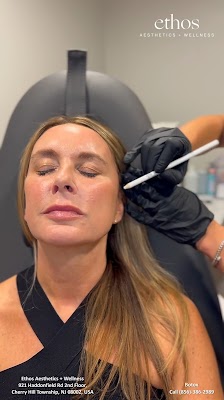
A realistic day by day recovery at a glance
Day 0: You had your botox session. Keep upright for 4 to 6 hours. No strenuous exercise, saunas, hot yoga, or facials. Makeup after 30 to 60 minutes if needed. Expect little to no visibility beyond faint marks.
Day 1: Normal routine is fine, including desk work and casual social plans. Continue to avoid heavy workouts and tight hats that press the forehead. Any swelling is usually gone by now.
Day 2 to 3: If a bruise appears, it is typically small and fading. Early effect begins for some areas. Concealer works well.
Day 4 to 7: Results settle in. Movement decreases. Minor asymmetries during this window are common and usually even out.
Day 10 to 14: Final effect. Assess. If a refinement is needed, many clinics invite you for a quick touch up.
Frequently asked, answered plainly
How long will I be out of commission? Most people are not out of commission at all. Plan for a calm first evening and you are back to normal the next day.
Can I work out after botox? Wait 24 hours for high intensity exercise. Light walks are fine right away.
Will I bruise? You might, but it is usually small and coverable. If you bruise easily, tell your injector and plan timing around events.
When will I see results? Subtle changes at 2 to 5 days, full botox results by 10 to 14 days.
How long does it last? About 3 to 4 months for most facial areas, longer for masseters, with individual variation.
Is it safe? When performed by qualified clinicians in a medical setting, Botox has a strong safety record. Side effects are usually mild and temporary. Discuss your medical history to minimize risks.
How much does it cost? Pricing varies by region, dose, and provider. Paying for skill and safety is wise. Ask for clear unit counts and expected duration.
A quick, practical checklist for a smooth recovery
- Schedule your botox appointment at least two weeks before major events or photos. Plan a light day after treatment, avoiding heat, massage, and strenuous exercise for 24 hours. Keep your head upright for 4 to 6 hours and avoid pressing on the injection sites. Use light makeup after 30 to 60 minutes, and a cool compress if mildly puffy. Book a 2 week follow up to review symmetry and discuss maintenance.
Final take
Botox is one of the few aesthetic treatments that truly fits into a busy life. With thoughtful aftercare and a skilled injector, downtime is minimal, often just a quiet evening and a brief pause on your workout. The payoff arrives over two weeks as lines soften and expressions look more relaxed. Whether you are curious about botox for women, exploring botox for men, or weighing botox vs fillers for your goals, set your calendar with a little buffer, follow the simple care instructions, and give the medicine time to work. That is how you turn a 20 minute office visit into months of smoother, more rested skin.